The most reliable way to control pests without chemicals is to stop them before they settle in: remove what attracts them, block how they get in, and bring in the helpers nature already provides. Most beginners can set up a working system in a single weekend, with basic tools and no special skills. The hardest part is patience, because natural methods build protection over days and weeks rather than killing everything on contact.
Here’s why it works. Pests aren’t random invaders. They show up where there’s easy food, water, and shelter, and they stay where nothing stops them. Take away standing water, trim the clutter, seal the gaps, and plant a few herbs that insects dislike, and you’ve changed the deal. Add birds, ladybugs, or a well-placed trap, and the balance tips in your favor.
I learned this the slow way after losing half a bean row to aphids one summer. A strong spray from the hose, a handful of ladybugs, and a few companion plants did what panic never could.
Below, you’ll find the tools you need, the safety rules worth following, a clear step-by-step process, and a quick guide that matches common pests to the method that suits them best.
Start With Prevention: Why a Healthy Garden Attracts Fewer Pests
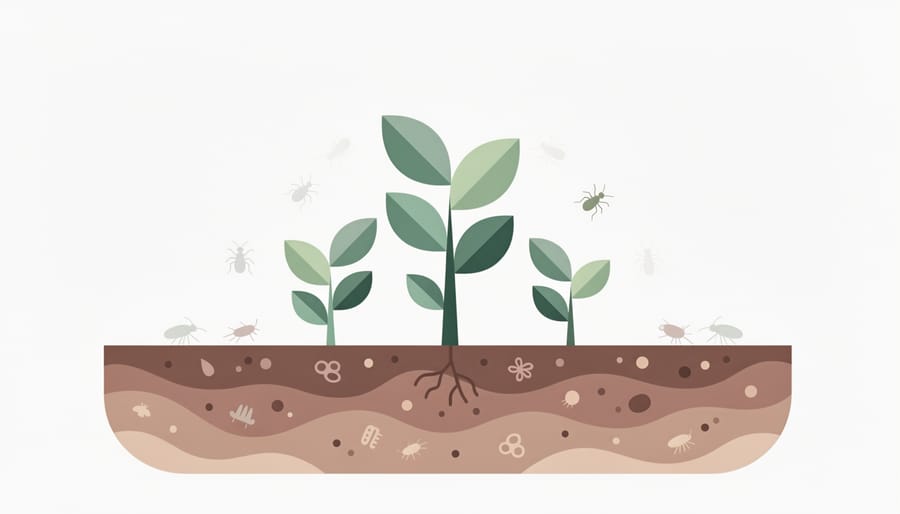
Pests are a bit like opportunists. They go after the plants that are already struggling. A tomato seedling stressed by thirst, crowded roots, or tired soil gives off signals that bugs pick up on, while a sturdy plant in rich, living ground can often shrug off a nibble or two. That’s the heart of Natural Pest Prevention Strategies: build a garden that doesn’t invite trouble in the first place.
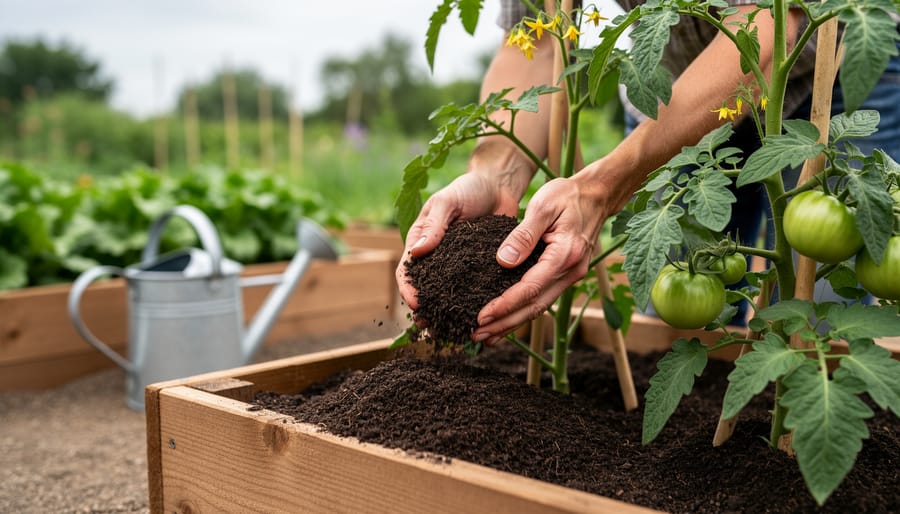
Start underfoot. Healthy soil is full of microbes, worms, and organic matter that feed your plants steadily and help them build stronger tissue. Work in a couple of inches of compost each season and you’re giving your plants a real head start. One of our contributors battled aphids and chewed leaves year after year until she began topping her beds with homemade compost every spring. Within two seasons the infestations faded, and she told us the plants simply looked more confident.
Watering matters just as much. Soak the soil deeply a couple of times a week, rather than sprinkling a little every day, and aim at the roots. Wet leaves linger in the evening and invite fungal problems and slugs. Spacing is the quiet hero too. Give plants room to breathe, because good airflow dries foliage faster and makes it harder for pests to settle in a dense, humid tangle.
Then there’s the rhythm of your beds. Moving plant families to a new spot each year breaks the life cycles of pests that wait in the soil, and research shows that rotating crops prevents pests from building up season after season.
Get these basics right and everything that follows in this guide works even better.
What You’ll Need: Tools and Materials for Natural Pest Control
Good news: most natural pest control gear is cheap, simple, and probably sitting in your kitchen or shed already. You don’t need a cartful of specialty products, just a few well-chosen basics sorted by what they do. Here’s your gathering list:
- Floating row cover or mesh netting to physically block flying pests (barrier, usually a small purchase)
- Mild liquid soap, ideally a plain castile-style soap without added degreasers or fragrance (spray, likely at home)
- Neem oil for stubborn insects, kept as a backup (spray, optional purchase)
- Garlic and hot peppers for homemade repellent sprays (spray, pantry staples)
- A clean spray bottle reserved only for garden use (spray, easy to repurpose)
- Shallow dishes, like old tuna cans or jar lids, for beer traps (trap, found around the house)
- Food-grade diatomaceous earth for crawling pests (barrier, small purchase that lasts)
- Companion plant seeds such as marigolds, nasturtiums, basil, or dill (habitat building, a few packets)
- A hand-pick bucket with a little soapy water for dropping in beetles and caterpillars (trap, any old pail)
- Sturdy gloves to keep your hands clean and protected (everyday garden basic)
Notice how many of these cost next to nothing? Soap, garlic, peppers, bottles, dishes, and buckets are everyday items, so your real shopping trip might be as short as row cover, a packet or two of seeds, and maybe the diatomaceous earth. Start with what you already own, and add pieces only as you discover you need them. A small kit is plenty for a first season, and you can grow it slowly as your confidence and garden both flourish.
Safety First: Warnings and When to Stop Before You Spray
Natural doesn’t always mean harmless, so a little caution goes a long way. Before you spray anything on your whole garden, test it on just a few leaves and wait a full 24 hours. If you see spotting, wilting, or curling, rinse the plant and don’t use that mix again.
Timing matters as much as the recipe. Midday sun can burn wet foliage, and bees are busiest when the day is warm, so cooler hours protect both your plants and your helpers. If you’re dusting with diatomaceous earth, wear a dust mask. The fine powder is gentle on the garden but hard on your lungs.
Treat your homemade preparations with the same respect you’d give any cleaning product. Label every bottle clearly, store them well out of reach of kids and pets, and keep them away from food storage. And never mix household chemicals, like bleach and vinegar or ammonia-based cleaners, into a garden spray. The fumes can be dangerous, and no pest is worth that risk.
Know your stop conditions, too:
– Leaves show damage after your 24-hour test spray.
– A spray causes any skin or breathing irritation for you.
– An infestation keeps spreading despite several rounds of your layered plan.
If a problem that severe takes hold, there’s no shame in asking for backup. Your local extension office can identify the pest and suggest options that fit your region, which is just another smart way of working with nature.
Build Your Defense: A Step-by-Step Natural Pest Control Plan
Identify the Culprit Before You Act
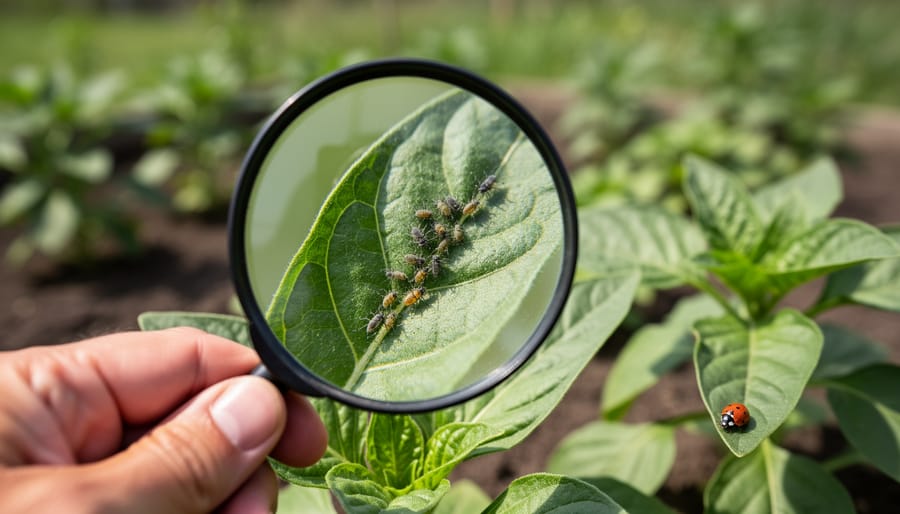
Before you reach for any remedy, play detective. The damage tells you who’s responsible, and the right fix depends on the culprit.
Aphids leave leaves curled, sticky, or yellowing, and a close look at new growth usually reveals clusters of tiny soft-bodied insects. Caterpillars chew ragged holes from the edges inward and leave dark droppings behind. Slugs and snails make smooth, irregular holes and a telltale silvery slime trail, and they work at night, so check with a flashlight after dark. Beetles tend to chew small, round holes or skeletonize leaves, leaving only the veins.
Make a habit of checking the undersides of leaves in the early morning, when pests are easiest to spot. Snap a photo if you’re unsure, and compare it with a local extension office’s pest guide. A few minutes of looking now saves you from treating the wrong problem later.
Block, Trap, and Hand-Pick
Physical controls are the quickest wins in the garden because they work the moment you set them up, no mixing or waiting required.
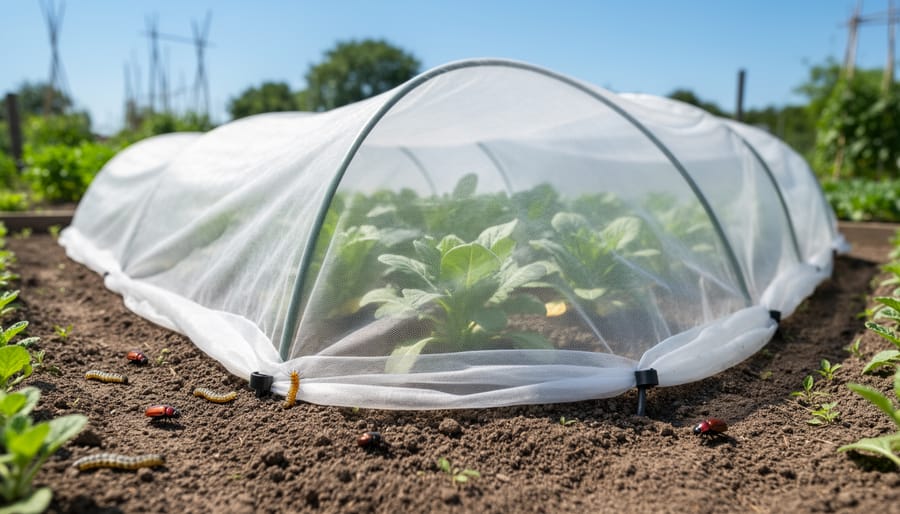
Row covers: Drape lightweight fabric over seedlings and tuck the edges under soil or stones so nothing crawls in underneath. Add hoops or bent wire to hold it above the leaves. Remove it when plants flower and need pollinators.
Copper tape: Slugs and snails recoil from the mild charge copper creates. Wrap a band around pot rims or raised bed edges, pressing it flat and overlapping the ends. Make sure no leaves hang over the tape, or pests will use them as a bridge.
Beer traps: Sink a shallow cup so its rim sits level with the soil, then fill it halfway with beer. Slugs crawl in and can’t escape. Check and refill every couple of days, and place traps a few feet from your prized plants.
Morning hand-picking: Head out at dawn with a bucket of soapy water. Caterpillars, beetles, and slugs are slow and easy to spot then. Flick them in, and check leaf undersides for eggs. Ten minutes a day makes a surprising difference.
Plant Allies and Invite Beneficial Insects
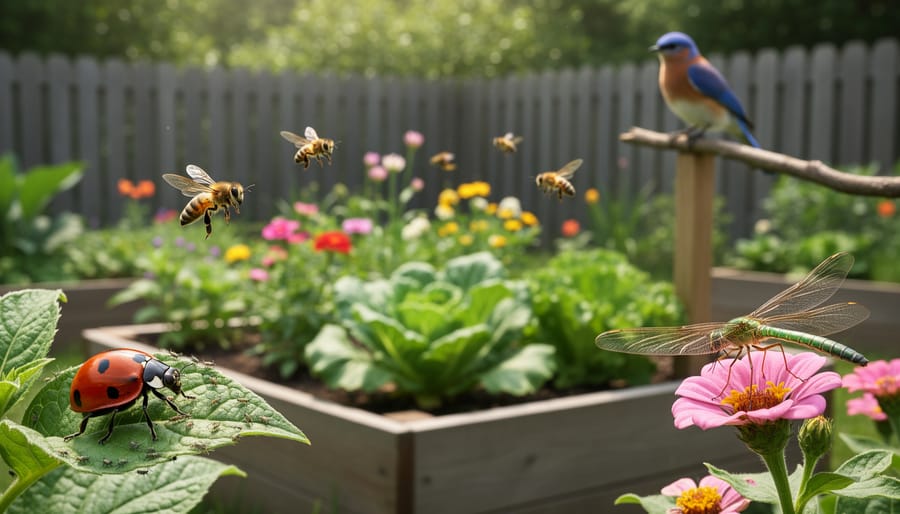
Some of the best pest control in your garden isn’t something you buy, it’s something you invite. Companion plants do double duty: strongly scented herbs like basil, mint, and chives can confuse pests that hunt by smell, while marigolds and nasturtiums act as decoys that draw aphids away from your vegetables.
The bigger payoff comes from the helpers those plants attract. Ladybugs and lacewings are voracious aphid eaters, and they show up when they have a reason to stay. Dill, fennel, yarrow, and alyssum offer the tiny flowers and nectar adult beneficials need to survive between meals.
Try carving out one small insect-friendly corner. Choose a sunny spot, even just a couple of square feet, and plant a mix of those flowering herbs. Add a shallow dish of water with a few pebbles so insects can drink without drowning, and leave a small pile of leaves or a few hollow stems nearby for shelter.
Birds help too. A simple birdbath or a nest box near your beds brings in natural caterpillar patrol. Start small, and let the corner grow wild a little. The messier it looks, the happier your garden helpers tend to be.
Mix Simple Homemade Sprays
Sprays work best as the final layer, after soil, barriers, and helpful insects have done their part. Think of them as a quick rescue, not a daily habit.
For a basic soap spray, stir one teaspoon of mild liquid soap (skip anything with degreasers or bleach) into a quart of water. It smothers soft-bodied pests like aphids and spider mites on contact, so you need to hit them directly, including the undersides of leaves where they hide.
For a garlic or pepper spray, blend a few crushed garlic cloves or a teaspoon of cayenne into a quart of water, let it steep overnight, strain it well, and add a few drops of soap so it clings. These mainly repel, so reapply after rain.
Always test on a few leaves first and wait a day. Spray in the cool of early morning or evening, when pollinators are tucked away and the sun won’t scorch wet leaves. Mix small batches, label the bottle clearly, and use it within a few days. Fresh is better, and gentler on your plants.
Quick Comparison: Which Natural Method Fits Which Pest?
Match the pest to the method and you’ll waste far less effort. Start with the first response for each pest, and add a second layer only if damage continues.
Aphids: Blast them off with a firm spray of water, then follow with insecticidal soap and invite ladybugs and lacewings.
Caterpillars: Hand-pick them in the morning and cover young plants with row covers before moths lay eggs.
Slugs and snails: Set beer traps, wrap pots in copper tape, and water early in the day so soil dries by evening.
Beetles: Knock them into a jar of soapy water at dawn, when they’re sluggish, and rotate crops each year to break their cycle.
Whiteflies: Hang yellow sticky traps near affected plants and spray the undersides of leaves with soap solution.
Cabbage worms: Use floating row covers from planting day, and tuck in dill or thyme nearby to attract natural predators.
Spider mites: Raise humidity by misting leaves and rinse plants regularly, since mites thrive in hot, dry conditions.
Keep this list handy, and you’ll know your next move the moment you spot trouble.
Check Your Results and Keep the Momentum Going
Give your plan about two weeks before judging it. Pests rarely vanish overnight, so you’re looking for a trend. The clearest sign is the new growth: if fresh leaves are coming in clean and the chewed ones are only the old ones, your defenses are holding. You’ll also start noticing ladybugs, lacewings, and hoverflies hanging around, which means your habitat is doing its job.
Walk the garden once a week, ideally in the morning when pests are most active. Flip a few leaves, check the undersides, and count what you find. Fewer new damaged leaves from one week to the next is real progress, even if the garden isn’t perfect.
If damage keeps climbing after three weeks, don’t panic. Add another layer, maybe a row cover where there wasn’t one, or a fresh round of soap spray, rather than starting over.
A simple notebook goes a long way. Jot down what you saw, what you tried, and what happened. Over a season it becomes your own local pest guide. From there, plan next year’s crop rotation, and keep expanding your insect-friendly corner with a few more flowering plants.
Treat a setback as information. Every pest outbreak teaches you something about your garden, and that knowledge is what makes next season easier.
Common Questions About Natural Pest Control
Most beginners wonder the same handful of things, so here are honest answers to get you started with confidence.
How long do natural methods take to work?
Physical barriers like row covers work right away, while sprays may need a few repeat applications over a week or two. Beneficial insects and healthier soil are slower, often taking a full season to show their real payoff.
Are homemade sprays safe for vegetables I’ll eat?
Simple soap or garlic sprays are widely used on edibles, but always test on a few leaves first and rinse your harvest well before eating. Skip spraying right before picking.
Will companion planting really keep pests away?
It helps, but think of it as one layer rather than a magic shield. Strong-scented herbs and flowers can confuse or deter some pests while drawing in helpful insects, and they work best alongside barriers and healthy soil.
Can I use these methods in containers or small spaces?
Absolutely. Containers are actually easier to protect, since you can hand-pick pests, cover plants with netting, and tuck a pot of marigolds or basil right beside your tomatoes.
If pests keep returning, don’t be discouraged. Go back to the basics: check that your plants aren’t stressed by too much or too little water, confirm you’ve identified the right culprit, and add one more layer, whether that’s a barrier, a habitat corner for beneficial insects, or a gentle spray. Persistence matters more than perfection, and every return visit teaches you something about your garden.
A healthy garden isn’t built in a weekend, and it doesn’t need to be. The layered approach we’ve walked through works because each step supports the next: living soil grows sturdier plants, barriers and companions keep trouble at bay, and beneficial insects quietly handle whatever slips through. Homemade sprays sit at the very end of that chain, there when you need them but rarely the main event.
Natural Pest Prevention Strategies pay off most when you start early and keep things simple. You don’t have to do everything at once. Pick one or two steps this season, maybe a compost top-dressing and a row cover over your most vulnerable seedlings, and see what changes.
Some of your best lessons will come from the gaps, like the chewed leaf or the surprise slug. Treat them as clues, not failures. Gardening this way means you stop fighting nature and start working beside it, and your garden gets stronger for it.