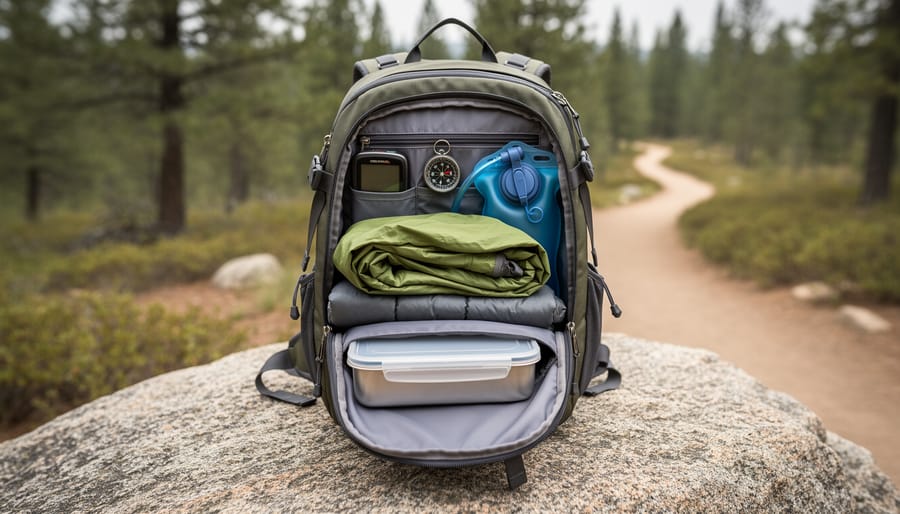
The right hiking bag holds 10 to 20 liters for short day hikes, 20 to 30 liters for full-day adventures with extra gear, and features padded shoulder straps, multiple compartments, and water-resistant fabric to keep you comfortable and organized on the trail. After testing dozens of daypacks across mountain scrambles and forest loops, I’ve found that most hikers overspend on features they’ll never use or choose bags too large for their actual needs.
Three years ago, I grabbed an oversized pack for what should have been a simple four-hour hike. By mile two, the excess fabric was catching on branches, the half-empty bag was bouncing awkwardly against my back, and I was already fantasizing about the compact sling I’d left at home. That frustrating morning taught me what experienced hikers already know: the best bag disappears while you’re wearing it.
Choosing your first hiking bag doesn’t require a degree in outdoor gear engineering. You need clarity on three factors: how long you’ll be out, what you’re carrying, and how the pack distributes weight across your body. A well-chosen daypack transforms a sweaty, gear-juggling ordeal into a balanced, comfortable experience where you’re thinking about the view instead of your shoulders. The WATERFLY Crossbody Sling Backpack Sling Bag Travel Hiking Chest Bag represents the minimalist end of the spectrum, perfect for ultralight hikers who carry only essentials and prefer quick access without removing their pack.
This guide cuts through the marketing noise to help you match bag style, capacity, and features to your actual hiking habits.
What Size and Capacity Works Best for Day Hiking
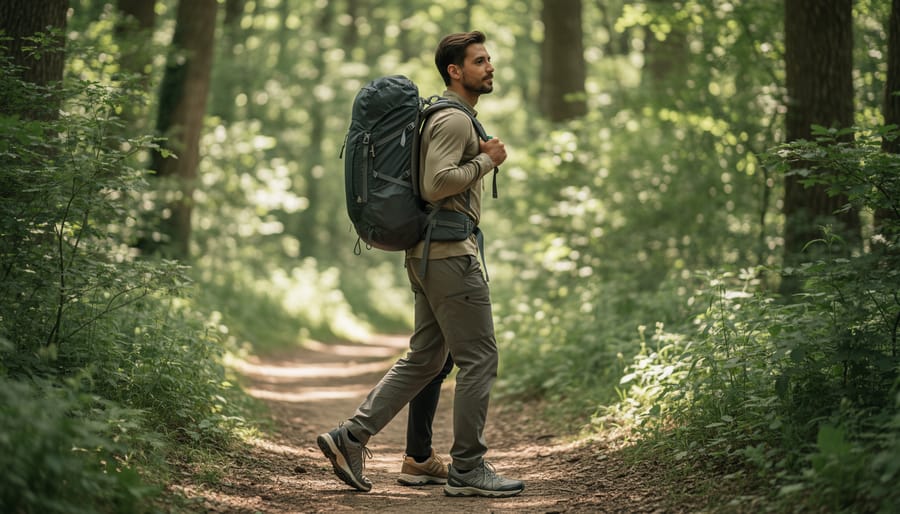
For most day hikers, a bag in the 10-25 liter range hits the sweet spot between carrying what you need and avoiding unnecessary weight. Your ideal capacity depends on three factors: how long you’ll be out, what season you’re hiking in, and whether you’re the type who brings extras “just in case.”
A 10-15L pack works beautifully for short treks of two to four hours in mild weather. You’ll fit your water bottle or hydration reservoir, snacks, a lightweight rain jacket, sunscreen, and a headlamp for those unexpectedly long sunset hikes. This size keeps you nimble and fast-moving, perfect for well-traveled trails where you won’t need emergency gear.
Step up to 15-20L for full-day adventures lasting six to eight hours. This range accommodates lunch, extra snacks, a fleece or puffy jacket, first-aid supplies, navigation tools, and additional water. You’re not overpacking, but you’re prepared if the weather shifts or you decide to explore that side trail.
The 20-25L range serves hikers tackling longer days, winter conditions, or carrying specialized gear. Photographers appreciate the extra room for a camera and lenses. Parents often need this capacity when they’re hauling snacks, jackets, and entertainment for kids who’ve outgrown their own tiny packs. Cold-weather hikers fill this space with insulating layers, extra gloves, and a thermos of hot tea.
Think about what actually goes into your pack on typical outings. If you’re consistently stuffing a 15L bag or leaving a 25L half-empty, you’ve found your answer about what size works for your hiking style.
Essential Features That Make or Break a Day Bag
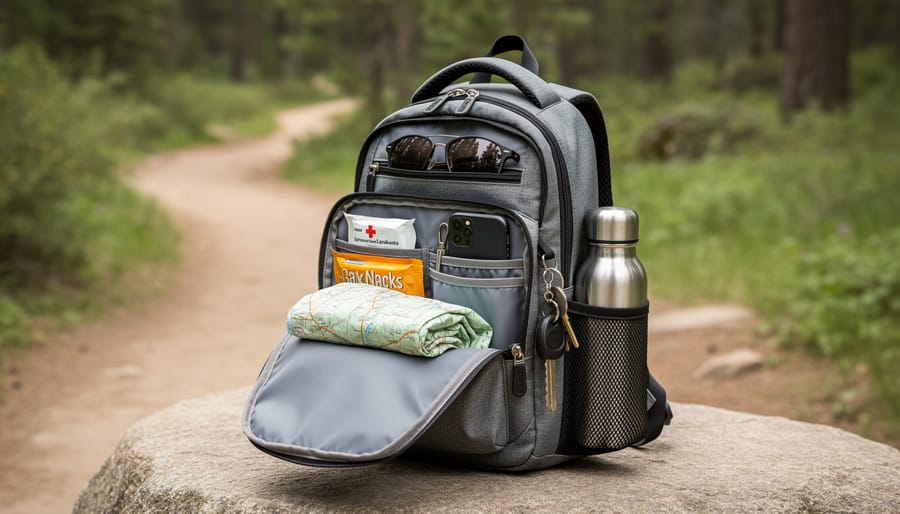
The features that separate a frustrating day hike from a comfortable one often become obvious only after you’ve sweated through a poorly ventilated back panel or fumbled for a water bottle stuffed deep inside your pack. Understanding these critical elements before you buy saves you from expensive mistakes and unnecessary discomfort on the trail.
Comfort: The Foundation of Your Hiking Experience
Shoulder straps make or break long treks. Look for padded straps at least 1.5 inches wide that distribute weight without digging into your shoulders, and ensure they’re adjustable enough to position the pack high on your back. A ventilated back panel with mesh channels keeps air flowing between the pack and your spine, dramatically reducing sweat buildup on warm days. For bags over 15 liters, a sternum strap stabilizes the load and prevents shoulder straps from sliding outward during movement.
Organization: Quick Access When You Need It
External pockets transform how efficiently you move on the trail. Side mesh pockets should accommodate a water bottle without requiring you to remove the pack, while a hip belt pocket (even on small bags) keeps your phone, snacks, and trail map instantly accessible. Internal organization matters less than you might think, one main compartment with a single divider works for most day hikers, while excessive internal pockets add weight and complexity. Front stretch pockets excel at holding layers you’ve shed as the day warms up.
Durability: Materials and Construction That Last
Ripstop nylon in 210-denier or higher resists tears from branches and rock scrapes, while reinforced bottom panels protect against abrasion when you set the pack down. YKK zippers cost manufacturers more but rarely fail, unlike cheaper alternatives that stick or break after a season. Bartacked stress points at strap attachment areas indicate quality construction, these small reinforcement patches prevent catastrophic failures where weight concentrates.
Hydration and Weather Protection
An internal hydration sleeve or external loops for a reservoir gives you hands-free drinking, crucial when you’re scrambling or using trekking poles. For weather resistance, a built-in rain cover beats treated fabrics, which degrade over time. If your hiking area sees frequent rain, prioritize a pack with waterproof zippers or a roll-top closure over one that merely claims water resistance.
- Must-have for all hikers: padded shoulder straps, ventilated back panel, external water bottle pockets, durable fabric (210D+), reliable zippers
- Nice-to-have for casual day hikers: internal organizer, sternum strap, built-in rain cover, hip belt pocket
- Must-have for serious trekkers: load stabilization (sternum strap + hip belt), hydration compatibility, reinforced bottom, multiple external pockets
- Nice-to-have for extended adventures: gear loops, trekking pole attachments, removable top pocket, frame sheet
The best features complement your specific hiking style rather than checking every box on a feature list. A photographer needs quick-access side pockets more than a minimalist who carries just water and snacks. Testing pack fit with weight inside the bag reveals comfort issues that aren’t apparent when it’s empty on the store rack. Remember that keeping wildlife safety tips in mind means storing food and scented items in accessible compartments you can secure properly, another reason thoughtful organization matters on the trail.
Comparing Small Hiking Bag Styles: Which Type Fits Your Trek
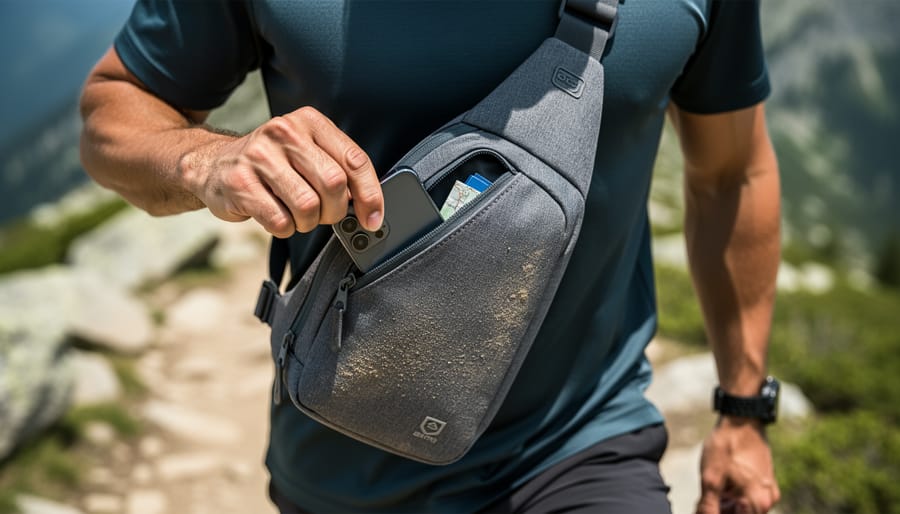
Each small hiking bag style brings distinct advantages to the trail, and understanding these differences helps you match the right design to your specific trek type and preferences.
Daypacks remain the most versatile choice for traditional hikers. These two-strap backpacks (typically 15-25L) distribute weight evenly across both shoulders and offer the most organizational options with multiple compartments, external pockets, and attachment points. They excel on longer day hikes where you’re carrying layers, food, a first aid kit, and perhaps a survival hiking stick strapped to the side. The tradeoff? They’re the bulkiest option and require taking the entire pack off to access contents.
Sling bags offer quick-access convenience by swinging from your back to your chest in one motion. These single-strap designs (usually 8-15L) work brilliantly for fast-paced hikes, photography outings, or when you need frequent gear access without stopping. They’re lighter and less intrusive than daypacks, but the asymmetric weight distribution becomes uncomfortable on longer treks or when carrying heavier loads.
Hydration packs prioritize fluid capacity and minimalist carry. Built around a water reservoir (1.5-3L) with just enough space (5-10L) for snacks and essentials, they’re ideal for hot-weather hikes, trail running, or desert environments where hydration trumps gear volume. The hands-free drinking system keeps you hydrated without breaking stride, though you sacrifice storage and organization.
Minimalist packs strip everything down to ultralight essentials, often frameless designs under 10L. These work for experienced hikers on short, familiar trails in good weather who’ve mastered the “less is more” philosophy. You’ll move faster and feel less encumbered, but there’s zero margin for unexpected weather changes or emergency gear.
| Bag Type | Best Use Cases | Capacity Range | Key Advantages |
|---|---|---|---|
| Daypack | All-day hikes, variable weather, families | 15-25L | Balanced weight, maximum organization |
| Sling Bag | Short hikes, photography, quick access needs | 8-15L | Fast gear access, lightweight |
| Hydration Pack | Hot climates, trail running, fluid-focused treks | 5-10L | Hands-free hydration, minimal bulk |
| Minimalist Pack | Short familiar trails, ultralight enthusiasts | Under 10L | Lightest weight, unrestricted movement |
Your choice ultimately depends on trek duration, climate, and how much gear you genuinely need versus carry out of habit. Most hikers find daypacks serve them best until they’ve refined their packing list enough to confidently downsize.
WATERFLY Crossbody Sling Backpack Sling Bag Travel Hiking Chest Bag

The WATERFLY Crossbody Sling Backpack strikes that balance between carry capacity and quick access that fast-paced day hikers appreciate. Instead of shrugging off a full backpack every time you need your phone or trail snacks, this chest-mounted design swings around to your front in seconds, letting you grab what you need without breaking stride.
The crossbody strap distributes weight across your torso rather than loading one shoulder, which matters when you’re covering miles on uneven terrain. The bag sits snug against your chest or back depending on how you position it, staying stable whether you’re scrambling over rocks or moving quickly downhill. That security means less bouncing and shifting compared to traditional sling bags that hang loosely at your side.
Inside, you’ll find enough organization for a winter day hike without over-compartmentalizing your limited space. Multiple pockets separate your water bottle, first-aid supplies, and electronics so you’re not digging through a single jumbled cavity. The main compartment handles a light jacket, snacks, and basic gear while keeping the profile compact enough that you never feel like you’re hauling unnecessary bulk.
The water-resistant fabric sheds light rain and morning dew, though this isn’t a fully waterproof option for sustained downpours. Zippers glide smoothly and the stitching holds up to regular trail use, as reflected in its strong 4.5 out of 5 rating from over 48,000 customers who’ve actually tested it outdoors.
This style excels for minimalist trekkers who move fast and pack light, ultralight hikers doing 8-12 mile loops, photographers who want gear within arm’s reach, or anyone who values accessibility over maximum carrying capacity. If you habitually pack more than essentials or need space for group gear, a traditional daypack gives you more room. But for solo missions where speed and convenience drive your choices, the crossbody approach delivers exactly what those conditions demand.
Making Your Final Choice: Matching Bag to Your Hiking Style
Your hiking style dictates which small bag will feel like the perfect companion on the trail. Match your pack to how you actually hike, not how you think you should hike, and you’ll enjoy every mile more.
Ultralight minimalists thrive with 10-15L streamlined packs that force smart packing decisions. Look for bags weighing under 12 ounces with just enough structure to keep essentials organized, a single main compartment, one exterior pocket, and integrated hydration. Skip bags loaded with features you won’t use. Fast-and-light hikers often prefer sling or chest-mounted designs that keep weight close to your center of gravity and allow quick access without stopping.
Gear-heavy planners need 20-25L packs with multiple compartments, robust organization systems, and comfortable suspension. Prioritize padded shoulder straps, load-lifter adjustments, and hip belt options that transfer weight off your shoulders. Look for external attachment points for trekking poles, rain gear, or that extra fleece you always bring “just in case.”
Photographers require specialized organization with padded dividers or camera inserts that protect gear from trail jolts. Choose bags with side or quick-access compartments so you can grab your camera without unpacking everything. Consider chest or sling styles that swing around front for shooting without removing the pack entirely.
Families hiking with kids benefit from bags with external water bottle pockets within a child’s reach, bright colors for visibility on crowded trails, and enough capacity (18-22L) to carry extra snacks, first aid supplies, and the inevitable treasures children collect. Durability matters more than weight when bags get tossed around trailheads.
Hot-weather hikers should prioritize ventilated back panels with suspended mesh that creates airflow between pack and body. Every degree of cooling counts on exposed, sun-baked trails. Choose lighter colors that reflect heat and bags with external hydration sleeves, keeping water accessible encourages you to drink enough.
Wet-climate trekkers need either fully waterproof bags or those with integrated rain covers and water-resistant zippers. Consider bags with separate dry compartments for electronics and spare layers. The best wet-weather bags use welded seams rather than stitching that eventually leaks, much like practicing natural pest control requires understanding how elements work together in your specific environment to create effective barriers.
Common Mistakes to Avoid When Buying a Day Hiking Bag
Many hikers sabotage their trail experience before they even hit the trailhead by making avoidable mistakes when selecting a day bag. Understanding these common pitfalls helps you invest in gear that actually serves your needs rather than gathering dust in your closet.
The most frequent buying mistakes include:
- Prioritizing style over functionality, choosing a bag because it looks good rather than because it fits well and meets your hiking requirements
- Ignoring torso length and assuming one-size-fits-all, a bag that doesn’t match your torso creates pressure points and shoulder pain after just a few miles
- Skipping hydration compatibility, overlooking whether the pack accommodates a water reservoir or has secure bottle pockets for your preferred hydration method
- Buying based on extreme scenarios, purchasing a 25L pack for two-hour walks or a 10L minimalist bag when you regularly carry camera gear and layers
- Neglecting weather protection for your region, assuming all bags handle rain equally when many lack waterproof materials or rain covers
- Focusing solely on price, choosing the cheapest option and replacing it annually instead of investing in quality construction that lasts years
Another critical error is not testing the loaded pack before committing. An empty bag on the store rack tells you nothing about how it carries ten pounds of water, snacks, and a rain jacket on mile six of your hike. If possible, load it with weight and walk around to assess the suspension system and padding.
Many people also overlook versatility beyond hiking. While specialization matters, a day bag that transitions to travel, off-grid living basics or everyday carry delivers better value than a single-purpose pack. Consider whether the organization system and aesthetic work for multiple contexts before buying.
Frequently Asked Questions
Can I fit a laptop in a 15-20L hiking daypack?
Some daypacks in this range include laptop sleeves, but they’re designed primarily for hiking gear rather than electronics. If you need laptop carry, look specifically for models with padded tech compartments, but remember that adding a laptop significantly increases weight and reduces space for hiking essentials.
How do I wash my small hiking bag?
Empty all pockets completely, then hand wash with mild soap and lukewarm water using a soft brush for stubborn dirt. Never machine wash or use harsh detergents, as they damage waterproof coatings and seam tape. Air dry fully before storing to prevent mildew.
Will a 15L bag work for winter day hikes?
Winter gear like extra layers, insulated water bottles, and safety equipment takes up more space than summer essentials. Most winter day hikers find 20-25L more practical, though you can make 15L work if you compress your puffy jacket and minimize extras.
Can I use a small hiking bag for travel or daily commuting?
Absolutely, most daypacks transition well to urban use for work, school, or weekend trips. The same features that work on trails (organization, comfort, durability) serve you in daily life, making a quality hiking bag a versatile investment beyond the outdoors.
These questions come up repeatedly because people want their hiking bag to work hard across multiple scenarios. The laptop question reflects our gadget-dependent reality, even though purists might cringe at carrying electronics on trails. Washing instructions matter because proper care extends your bag’s life significantly, I’ve seen hikers ruin perfectly good packs by tossing them in washing machines. The winter capacity question highlights a common miscalculation that leaves people struggling to close overstuffed bags on cold-weather hikes. And the versatility question recognizes that most of us need gear that earns its storage space by serving multiple purposes, not just sitting in a closet between weekend adventures.
Choosing the right small hiking bag isn’t about finding the perfect pack that works for everyone. It’s about finding the one that works for you. The 15-liter minimalist bag that feels liberating on a three-hour ridge walk might leave you scrambling on a full-day trek with unpredictable weather. The feature-packed 25-liter daypack that carries everything comfortably could feel like overkill for your quick sunrise hikes.
Start with your typical trek length and the gear you genuinely need, not what you might need someday. Try on bags with weight inside them. Pay attention to how the straps sit on your shoulders after twenty minutes, whether you can grab your water bottle without contortions, and if the hip belt actually transfers load or just decorates your waist.
Your perfect day bag is the one you’ll reach for every time, the one that disappears on your back while you focus on the trail ahead. Prioritize fit and function over features and fashion, and you’ll find a companion that makes every adventure better.
Using the links in this article supports our work at no additional cost to you; we may earn a commission on purchases. As an Amazon Associate I earn from qualifying purchases.