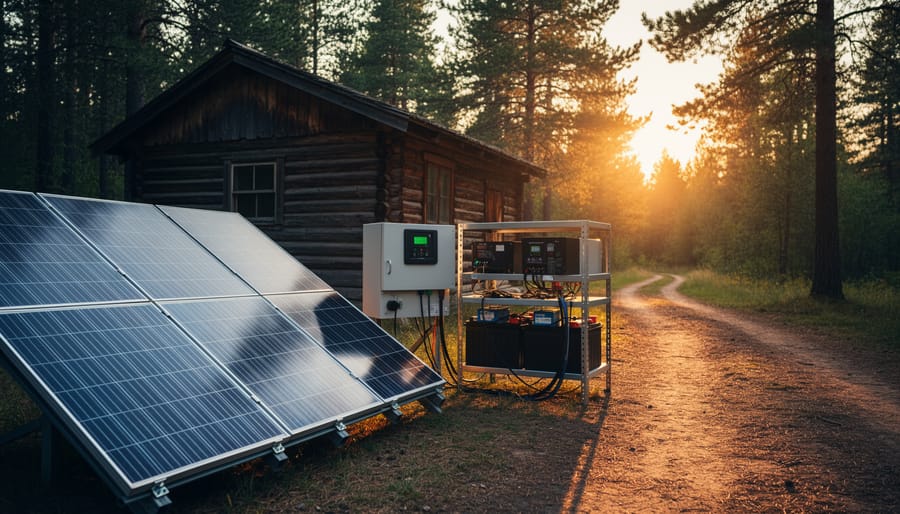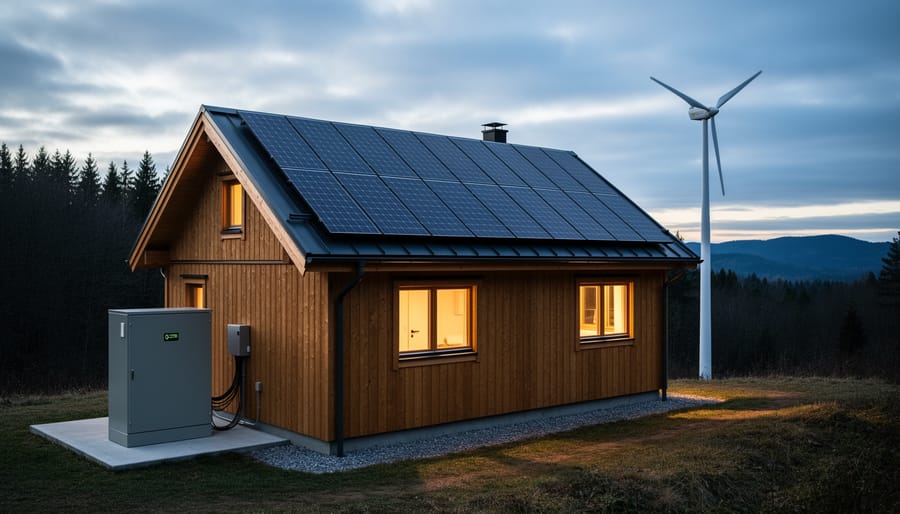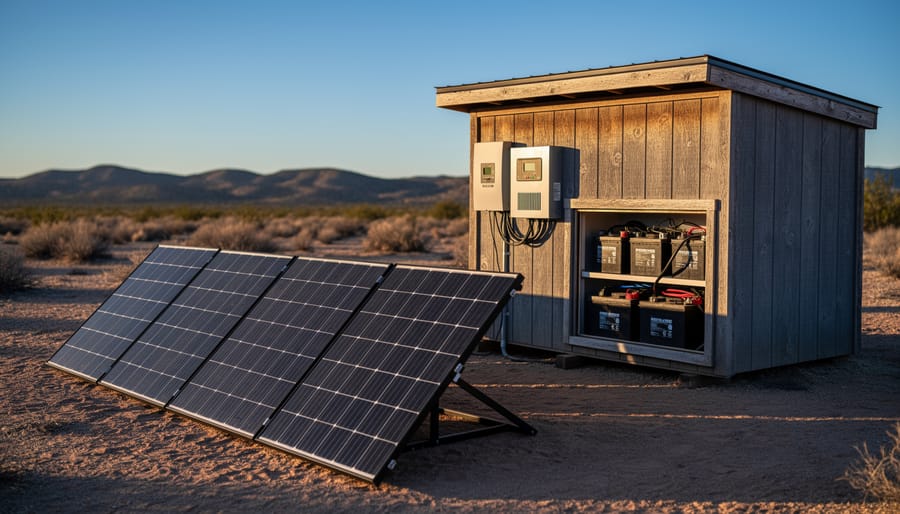
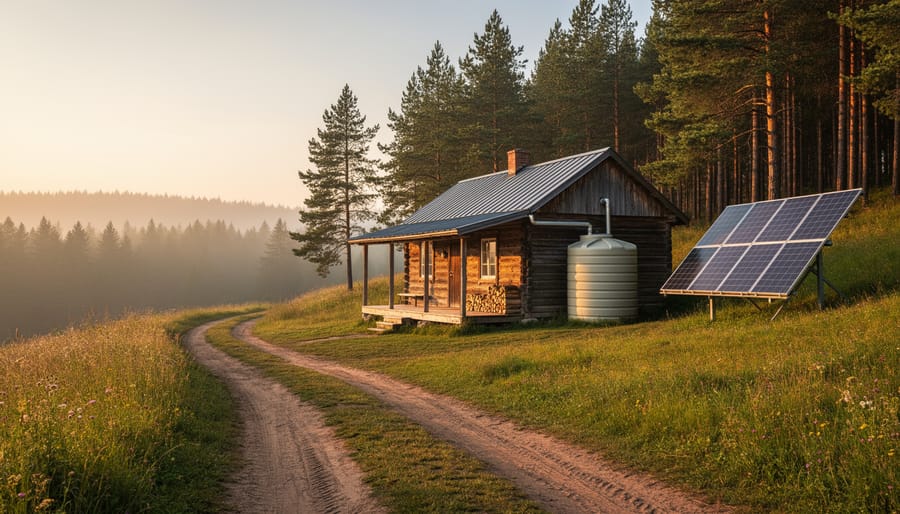
You can legally live off grid in most U.S. states, but the specific regulations governing land use, building codes, water rights, and waste management vary dramatically by location. The most permissive states for off-grid living in 2026 include Alaska, Montana, Idaho, Tennessee, and Missouri, where minimal building codes and large tracts of affordable rural land make disconnecting from public utilities straightforward. States like California, New York, and Massachusetts present more challenges with strict building permits, septic requirements, and mandatory utility connections in certain zones, though off-grid living remains possible with proper planning.
The key to finding a legal off-grid location lies in researching county-level ordinances rather than relying solely on state laws. While a state might appear off-grid friendly, individual counties can impose restrictions on minimum dwelling sizes, require grid connection even when utilities are available nearby, or prohibit alternative waste systems. Three years ago, I watched a couple purchase 40 acres in what they assumed was unrestricted land, only to discover their county required a 1,200 square foot minimum for residential structures. Their tiny cabin dream collapsed before construction began.
Understanding zoning classifications transforms your search. Agricultural and unincorporated land typically offers the most freedom for self-sufficient homestead ideas while residential zones often carry stricter oversight. This guide breaks down which states and counties genuinely support off-grid living, what legal frameworks you’ll navigate, and how to verify local regulations before purchasing property.
What Does ‘Legally Off Grid’ Actually Mean?
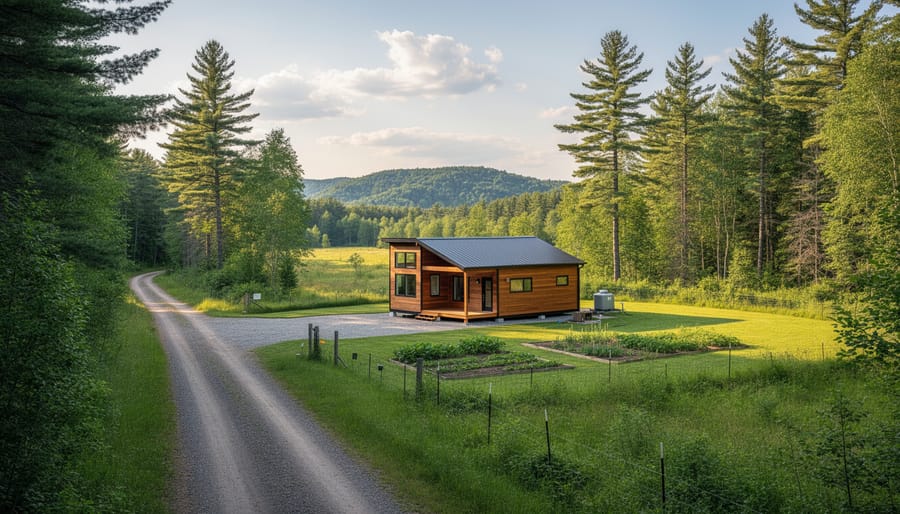
Living “off grid” sounds straightforward, you disconnect from public utilities and handle your own power, water, and waste. But from a legal standpoint, it’s more nuanced than just cutting the cord to the electrical company.
Legally off-grid living means you’ve established a dwelling that complies with local building codes, zoning regulations, and health department requirements while operating independently from municipal utilities. The critical word here is “complies.” You can’t just park a camper on raw land and call yourself a legal resident, even if you’ve got solar panels and a composting toilet.
Here’s where confusion creeps in. Many people assume off-grid automatically means unregulated or invisible to authorities. That’s a misconception that’s landed folks with stop-work orders and fines. Most jurisdictions still require permits for structures, septic systems, and wells regardless of your utility connections. Your cabin might run entirely on solar power, but if it violates minimum square footage requirements or sits too close to a property line, you’re not legally compliant.
The spectrum between fully off-grid and partially disconnected is wider than you’d think. True off-grid means zero connection to public systems, your own power generation, water source, and waste management. Partial disconnection might look like solar power but county water, or grid electricity as backup with a well and septic system. Both can be legal, but the requirements differ wildly.
What matters most is whether your setup meets three core criteria: building code compliance for your structure, proper permitting for your utilities (even self-sufficient ones), and zoning approval for residential use. Skip any of these, and you’re technically living illegally, no matter how sustainable your lifestyle appears.
The Most Off-Grid Friendly States and Regions
Western States: Maximum Freedom with Wide Open Spaces
The American West remains the gold standard for legal off-grid living, and for good reason. These states combine vast tracts of affordable land with some of the nation’s most permissive building codes and zoning laws.
Alaska tops the list for freedom seekers. Outside city limits, you’ll find minimal building code enforcement in most boroughs. Many remote areas have no codes at all, meaning you can build with natural materials, design unconventional structures, and live completely disconnected from utilities without raising bureaucratic eyebrows. Land runs cheap in the Interior and Southeast regions, though you’ll need to prepare for harsh winters and limited growing seasons.
Montana and Wyoming offer similar freedom with slightly milder climates. Both states leave most regulatory power to individual counties, and rural counties rarely enforce strict codes. Eastern Montana and central Wyoming feature low land prices (often under $2,000 per acre) and virtually no building inspections outside incorporated towns. You can legally collect rainwater, install composting toilets, and generate your own power without permits in most jurisdictions.
New Mexico combines minimal regulation with a longer growing season and abundant sunshine for solar power. The state has no statewide building code for residential structures under 400 square feet in unincorporated areas. Northern counties like Taos and Rio Arriba have established off-grid communities where alternative building methods are accepted practice.
Arizona works best in rural counties. While Phoenix and Tucson enforce strict codes, counties like Cochise and Mohave allow off-grid living with basic permits. The warm climate eliminates heating concerns, though water access requires careful planning. Expect to drill deep wells or haul water in the driest areas.
Southern States: Moderate Regulations and Longer Growing Seasons
The Southern tier offers a compelling middle ground for aspiring off-gridders, regulations exist but rarely feel suffocating, and the climate extends your outdoor living season considerably.
Tennessee stands out with no statewide building codes. Counties handle their own rules, and many rural areas impose minimal restrictions. I’ve spoken with families in Morgan and Overton Counties who built small cabins with just basic septic approval. The state doesn’t mandate connection to utilities if they’re unavailable, which opens doors in remote hollows. Middle Tennessee’s mild winters mean your solar panels stay productive year-round.
Missouri follows a similar county-by-county pattern. Texas County and the Ozark region welcome off-gridders with open arms and sparse regulations. You’ll find 40-acre parcels at reasonable prices, and many counties don’t require permits for agricultural structures under certain square footage limits. Missouri’s homestead exemption laws also provide property tax relief.
Texas surprises people with its variability. West Texas counties like Presidio and Terlingua offer vast space and minimal oversight, some don’t even have planning departments. Rainwater harvesting is legal statewide, which matters when you’re far from municipal water. However, avoid areas near major cities where subdivision covenants complicate off-grid plans.
Arkansas, particularly in the Ozarks, and parts of Alabama and Mississippi also harbor off-grid-friendly pockets. The key everywhere in the South is researching individual counties rather than assuming statewide uniformity. One county might require full permits while the neighboring county operates on a handshake basis.
Surprising Pockets in Restrictive States
Don’t write off entire states just because they have strict regulations statewide. Some of the best-kept secrets for off-grid living hide in rural counties within otherwise restrictive states, where enforcement is minimal and local attitudes favor independence.
In California, for instance, Siskiyou County in the far north has become a haven for off-gridders despite the state’s reputation for heavy regulation. The county rarely enforces building codes on remote properties, and many homesteaders operate under the radar with solar systems and wells. Similarly, parts of Mendocino and Humboldt counties tolerate alternative dwellings far more than the coastal urban areas would.
New York State offers surprising freedom in its Adirondack region, particularly in Hamilton and Essex counties. While New York City and its suburbs maintain tight control, these northern counties have minimal enforcement on properties over ten acres, and locals respect the privacy of those choosing self-sufficient lifestyles.
Even in heavily regulated states like Washington and Oregon, eastern counties across the Cascades, think Okanogan County in Washington or Harney County in Oregon, apply rules far more loosely than their western counterparts. The key is looking beyond state borders to county-level realities, where distance from population centers often translates directly into regulatory freedom.
Off-Grid Options Beyond the United States
Off-grid living isn’t limited by borders. Canada’s Atlantic provinces, particularly New Brunswick and Nova Scotia, welcome self-sufficient homesteaders with minimal restrictions in rural areas. You’ll find land prices reasonable and building codes surprisingly flexible outside major population centers.
Portugal has become a haven for off-gridders seeking European options. The country’s interior regions allow alternative dwellings and renewable energy systems without the bureaucratic nightmares common elsewhere in the EU. The climate makes year-round living comfortable, and the government actively supports sustainable rural development.
Parts of Latin America offer even greater freedom. Nicaragua, Ecuador, and rural Mexico have attracted off-grid communities where land is affordable and regulations are sparse. Just understand that “sparse regulations” cuts both ways, you’ll have fewer restrictions, but also fewer protections and less infrastructure support.
Before pursuing international options, research visa requirements, property ownership laws for foreigners, and healthcare access. Some countries welcome permanent settlers, while others limit land ownership or require specific visa classifications that complicate long-term off-grid plans.
Understanding the Legal Hurdles You’ll Face
The romantic vision of building your homestead exactly where you want it crashes hard against reality once you start dealing with local government offices. Even in the most permissive states, you’ll navigate a maze of regulations that weren’t designed with off-grid pioneers in mind.
Zoning laws create the first major roadblock. Most counties divide land into residential, agricultural, commercial, and industrial zones, each with specific rules about what you can build and how you can live. A property zoned agricultural might prohibit dwelling construction entirely, while residential zones often require connection to municipal services. Rural zoning typically offers more flexibility, but you’ll need to verify the exact classification before purchasing land. I’ve watched hopeful buyers lose deposits on “perfect” properties only to discover the zoning prohibited their planned structures.
Building permits represent another layer of complexity. While some counties barely regulate construction in unincorporated areas, others enforce strict codes regardless of location. The permitting process typically requires detailed plans, engineering stamps, and inspections at multiple construction phases. Some jurisdictions allow owner-built structures with simplified permits, but many mandate licensed contractors for electrical and plumbing work, even if you’re not connecting to the grid. Permit costs range from a few hundred to several thousand dollars, and the timeline can stretch months.
Minimum dwelling size requirements crush many off-grid living ideas before they start. Counties often mandate homes meet 600 to 1,000 square feet, eliminating tiny houses and efficient small cabins from legal consideration. These rules supposedly ensure “livable” housing, but they primarily preserve property tax bases and neighborhood aesthetics. Some areas classify structures under the minimum as “accessory buildings” rather than primary residences, which triggers additional restrictions.
Mandatory utility connections present perhaps the most frustrating barrier. Certain municipalities require connection to available public water and sewer systems, even if you’ve invested in wells and septic systems. Some jurisdictions mandate electrical service connections regardless of your solar setup. These forced connections carry monthly fees that defeat much of off-grid living’s financial independence.
Health department regulations add another dimension, particularly around water and waste systems. Well permits, septic system designs, and greywater discharge all fall under county health authority. Standards vary wildly, what Tennessee approves might violate Oregon’s rules.
The jurisdiction variation makes blanket advice impossible. Your neighbor across the county line might face completely different requirements for an identical setup.
How to Research Your Specific Location Before You Buy
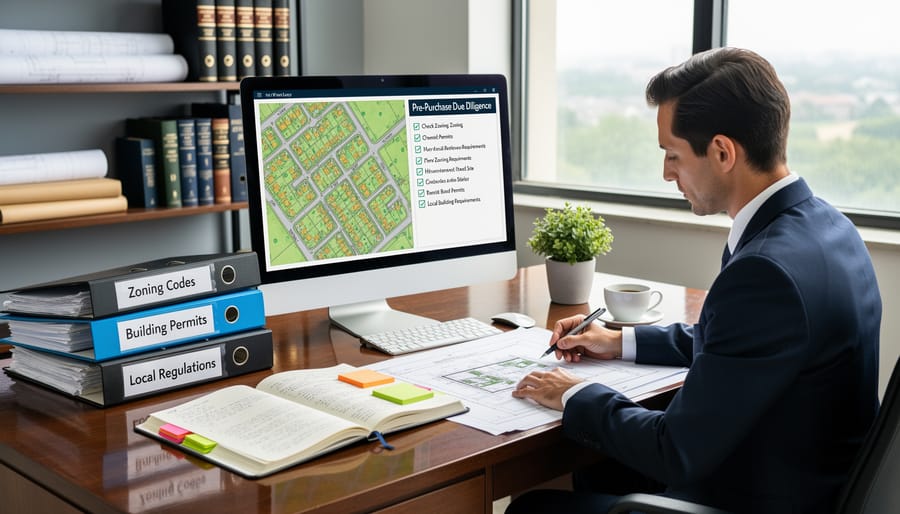
Before you fall in love with that perfect piece of land, you need to do your homework, and I learned this the hard way. Three years ago, I drove six hours to view property in what I thought was a regulation-light county, only to discover in the clerk’s office that they’d just passed new minimum square footage requirements that would have made my planned cabin illegal. That trip taught me to research first, dream second.
Here’s your step-by-step approach to investigating whether your target location will let you live off-grid legally:
- Contact the county planning or zoning department directly. Don’t rely on online information alone, it’s often outdated. Call and ask specifically about off-grid dwellings, alternative building materials, and composting toilets. Take notes and get names.
- Request copies of the zoning maps for your area of interest. These show what activities are permitted where. Look for agricultural, rural residential, or unincorporated zones, which typically have fewer restrictions.
- Review the building codes in detail. Ask about minimum dwelling sizes, required utility connections, and whether there are exemptions for agricultural buildings or seasonal structures. Some counties allow you to live in an “accessory structure” while building your main home.
- Talk to neighbors who are already living there. Drive around your target area and knock on doors. People who’ve navigated the system can tell you which officials are helpful, what the enforcement reality looks like, and where the hidden pitfalls are.
- Consult a local real estate attorney familiar with rural properties. This investment can save you from expensive mistakes, especially regarding grandfather clauses, existing structures that don’t meet current codes but are legally protected because they predate the regulations.
When you’re having these conversations, ask pointed questions: “If I want to use renewable energy options instead of grid power, is that acceptable?” “What happens if I’m caught living without a septic permit?” “How often do inspectors actually visit properties in this township?”
Document everything. Email follow-ups confirming verbal conversations create a paper trail. If an official tells you something is allowed, get it in writing. County staff turnover is high, and what one person approves, another might challenge.
The grandfather clause deserves special attention. If there’s an existing dwelling on the property, even a dilapidated one, it might be grandfathered under old codes, giving you legal occupancy while you build or renovate. Some off-gridders specifically hunt for properties with grandfathered structures for exactly this reason.
Alternative Legal Structures That Make Off-Grid Easier
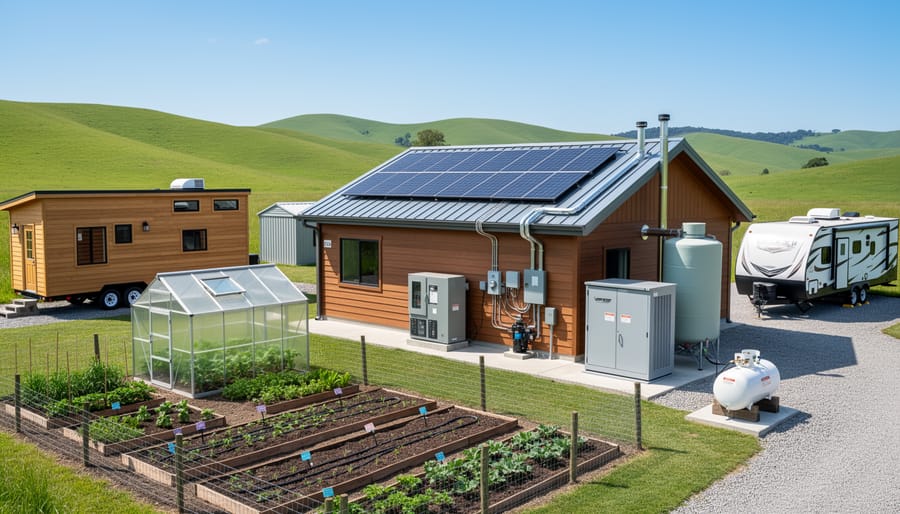
Sometimes the question isn’t just where you can live off-grid, but how you frame what you’re doing legally. Across the country, savvy homesteaders have discovered that certain classifications and exemptions open doors that standard residential zoning keeps locked. These approaches won’t work everywhere, but knowing they exist gives you more options when picking your location.
Agricultural exemptions represent one of the most powerful tools available. Designate your land for farming or ranching, and many counties waive standard residential building codes or permit structures that would otherwise be prohibited. Texas, Missouri, and Tennessee offer particularly generous agricultural classifications that can apply to relatively small parcels if you’re actually producing food. You’ll need genuine agricultural activity, a garden, chickens, bees, or livestock, but for anyone serious about homesteading, that’s part of the goal anyway. Some counties require proof of income from agriculture, while others accept documented production for personal use.
Tiny homes occupy a murky legal space that works in your favor in certain jurisdictions. Several states and counties now recognize tiny houses on foundations as legal dwellings if they meet specific building codes, even when under traditional minimum square footage requirements. Oregon, California’s rural counties, and parts of Colorado have established clear pathways. The catch: you often need a foundation and standard hookups, which means these aren’t truly off-grid friendly everywhere.
RV and mobile home classifications create genuine loopholes. Many areas that prohibit off-grid houses allow you to live in a certified RV on your property, sometimes indefinitely. Montana, Arizona, and New Mexico counties frequently permit this, particularly on agricultural land. Some homesteaders build a self-sufficient system around an RV as their legal dwelling while constructing other structures labeled as barns or storage.
Homestead designations in Alaska and a handful of other states offer tax benefits and sometimes relaxed building standards if you’re actively improving raw land for residential use.
Real Stories: Where Off-Gridders Have Successfully Settled
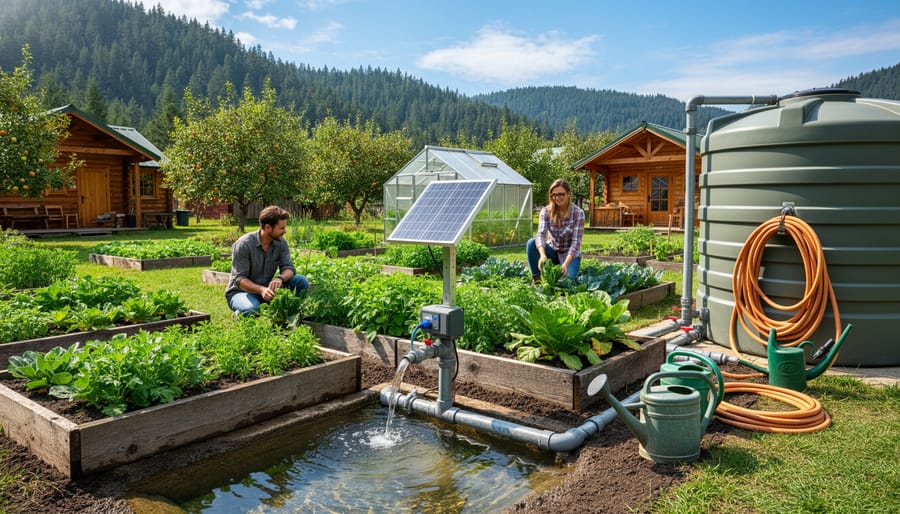
Sarah and Tom Martinez found their legal off-grid haven in rural Montana’s Ravalli County after two years of searching. “We looked at properties in five states before understanding that county regulations mattered more than state laws,” Sarah explains. They purchased 40 acres where building codes are minimal and no grid connection is required. Their biggest lesson? “Call the county planning office before you fall in love with a property. We almost bought land in what looked like a perfect spot, only to discover it was zoned agricultural-only with strict dwelling restrictions.”
The Johnsons took a different route in Tennessee’s Overton County, using an agricultural exemption to establish their homestead legally. “We registered as a small farm, which gave us flexibility with building codes,” Mark Johnson shares. Their practical off-grid setup includes solar panels, rainwater collection, and a vegetable operation that satisfies the agricultural designation. The trade-off was committing to maintain genuine farming activity, not just claiming the exemption on paper.
Not every story ends smoothly. Rebecca Chen invested in Arizona land advertised as “off-grid ready” without researching local septic requirements. “The property was legal for off-grid living, but the county required a $15,000 engineered septic system because of soil conditions,” she recounts. She eventually sold at a loss and relocated to New Mexico, where regulations better matched her budget and vision.
These experiences underscore a common theme: successful off-gridders invest time in understanding local laws before committing financially. They talk to neighbors already living off-grid, attend county meetings, and verify claims with officials directly rather than trusting seller representations.
Living off grid legally isn’t just a pipe dream reserved for the independently wealthy or those willing to exist in legal gray areas. As we’ve explored throughout this guide, dozens of locations across the United States and beyond offer legitimate pathways to disconnecting from the grid while staying on the right side of the law.
The key difference between those who successfully establish legal off-grid homesteads and those who face eviction notices comes down to one thing: doing the homework before buying the land. Whether you’re drawn to Alaska’s expansive wilderness, Tennessee’s forgiving counties, or surprising pockets of freedom in otherwise restrictive states, the research phase determines everything that follows.
Start by identifying regions that align with your climate preferences and lifestyle needs, then drill down to the county level where the real regulations live. Talk to local officials, connect with existing off-gridders in the area, and verify every claim about legal flexibility before signing any papers. The effort you invest now in understanding zoning codes, building requirements, and utility exemptions will save you thousands of dollars and countless headaches down the road.
Your journey toward self-sufficiency begins with a single, well-informed step. The land is out there, the laws are navigable, and the off-grid life you’ve been dreaming about is more accessible than you might think. Now it’s time to turn that dream into a carefully planned reality.